
 Solar Battery Group
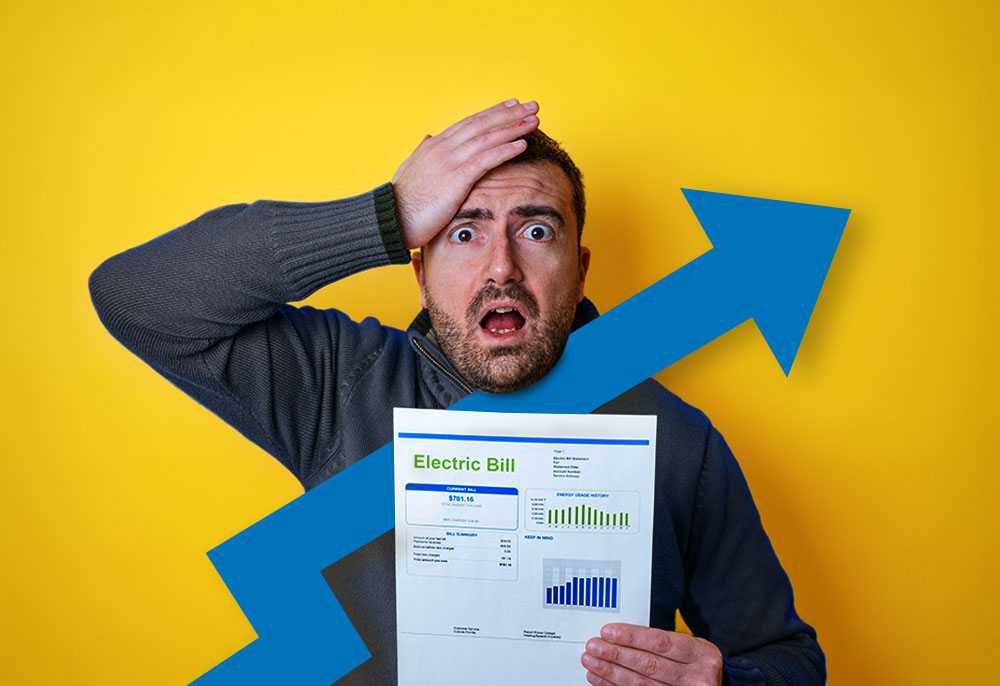
If you’ve been side-eyeing your energy bill lately, you’re not alone. Across Australia, electricity prices are climbing yet again in 2025, and in some states, the jump is significant.
From Sydney’s suburbs to rural Tasmania, households and small businesses are all feeling the pressure.
Whether you’re already stretched thin or simply tired of paying more for less, the reality is the same: electricity is getting more expensive, and it’s not slowing down.
So, what’s behind the price surge? And what can you actually do about it? Let’s break it down.
The 2025 Electricity Price Rise: What It Looks Like Around Australia
Electricity prices are heading north again in 2025 — but how much they’re rising depends on where you live. In New South Wales, households on the Default Market Offer (DMO) can expect increases between 8.3% and 9.7%, depending on whether they have a controlled load. Small businesses are in a similar boat, with price hikes ranging from 7.9% to 8.5%.
While Victoria is seeing more modest changes, they’re still only travelling one way: up. The Victorian Default Offer is increasing by an average of 1%, or around $20 per year for most homes. Some zones may see a rise of up to $90, depending on their distribution provider.
In South East Queensland, electricity prices are also on the rise. Households without controlled load tariffs are facing a 3.7% increase, while those with controlled load tariffs will still see a bump in their power bills.
the national trend is clear: prices are going up, and many Aussies are being pushed to breaking point.
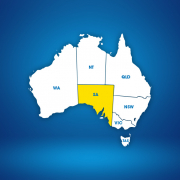
South Australians can expect price increases ranging from 2.3% to 3.2%, depending on their plan type. While that might seem small on paper, it still adds pressure to households already struggling to juggle rising grocery and fuel costs.
Even Tasmania, which is often known for more stable energy pricing, isn’t immune to rising costs. The state’s standing offer—set by the Office of the Tasmanian Economic Regulator—is increasing for the 2025–26 period. According to the regulator, average residential customers can expect their annual power bills to rise by about $49. Currently, Aurora Energy is the only retailer required to offer standard retail contracts, meaning most Tasmanians on default offers will feel the impact directly.
Unlike the Eastern states, the Western Australian state government regulates electricity prices. While WA isn’t part of the National Electricity Market like the eastern states, households are still seeing an increase in their power bills.
So while not every state is facing double-digit increases, the national trend is clear: prices are going up, and many Aussies are being pushed to breaking point.

Why Are Electricity Prices Rising (Again)?
If you’re looking for a straightforward answer, don’t waste your time, because there isn’t one. There’s a whole host of issues driving rising power prices, and that’s a rabbit hole you don’t really want to go down.
We’ll summarise the issues in plain terms that everyone will understand.
Wholesale electricity costs are climbing. Australia’s aging coal-fired power stations and outdated grid infrastructure are becoming less reliable and more expensive to maintain. We’re also seeing increasing demand for energy, especially during extreme weather months and the transition to renewables hasn’t been fast enough to pick up the slack.
Add global energy market uncertainty into the mix, and you’ve got the perfect storm.
Even small businesses are feeling it. In fact, many in energy-heavy industries such as manufacturing and hospitality are warning they won’t survive another year of price hikes.
How You Can Take Back Control
Here’s the hard truth: thinking that energy prices will eventually come down is not the solution. And you’ll be waiting a very long time. That’s why so many homeowners are making the switch to solar batteries—because when the grid keeps taking more, it’s time to generate and store your own power.
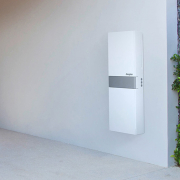
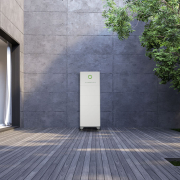
With a solar battery, you’re not just soaking up the sun—you’re storing it for later. That means you can power your home after dark, avoid paying peak rates when demand is highest, and stay protected during outages or blackouts.
And when prices inevitably rise again? You’re already ahead of the curve.
solar batteries aren’t just a way to save money—they’re a way to take back control of your energy future.
Why More Aussies Are Choosing Solar Battery Group
At Solar Battery Group, we help households across the country make the move to solar battery storage without the stress. Our team works with you to understand your energy usage, tailor a system that fits your home, and help you navigate any available rebates or government incentives that can help reduce the upfront cost.
Whether you’re living in a state facing a massive hike or a smaller increase, one thing is clear: solar batteries aren’t just a way to save money—they’re a way to take back control of your energy future.

Don’t Wait for the Next Price Hike
If you’ve been thinking about solar for a while, consider this your sign.
The sooner you act, the sooner you can protect yourself from future price hikes—and start putting those savings back in your own pocket.
Ready to take the next step?
Request a call back with Solar Battery Group today and find out how a solar battery can help you stay ahead of rising costs.
 Solar Battery Group
 Solar Battery Group
 Solar Battery Group
 Solar Service Group
 Solar Battery Group
 Solar Battery Group
 Solar Battery Group
 Solar Battery Group


 Solar Battery Group
 Solar Battery Group