Latest PV solar news

Amidst rising electricity prices, Australian are increasingly looking to home solar solutions as an effective way to slash their energy bills.

Solar Battery Group is dedicated to offering state-of-the-art home solar solutions that promise significant cost reductions and pave the way for a greener, more sustainable lifestyle.

Unlocking the Financial Benefits of Solar Power

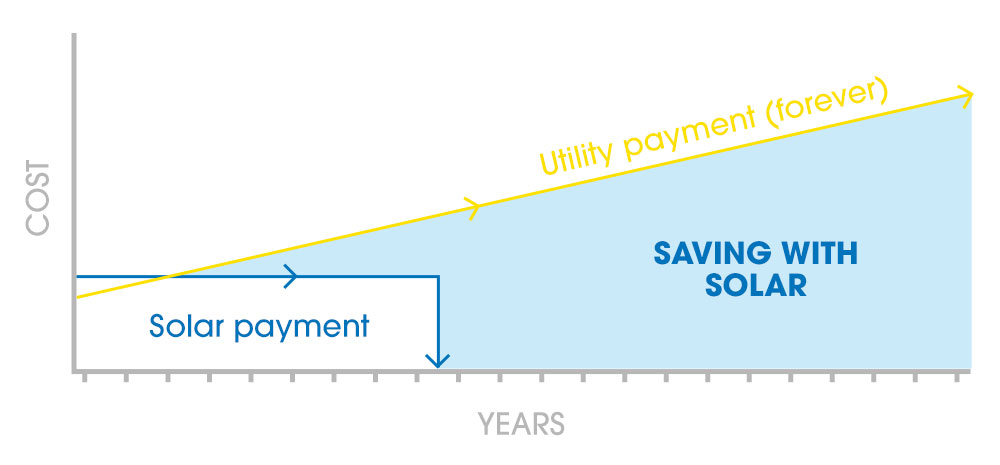
The shift to solar power is more than just an environmental choice; it’s a smart financial strategy that offers various benefits for the budget-conscious homeowner.

Drastic Reductions in Energy Bills

The primary allure of solar power lies in its ability to considerably lower monthly energy expenses. Generating electricity can significantly reduce your dependence on the grid, leading to noticeable savings from the first billing cycle.

These financial incentives effectively reduce the initial outlay for solar panel installations, making solar energy an even more attractive and accessible option for homeowners.
Earning Through Feed-in Tariffs

In addition to cost savings, homeowners with solar systems can benefit from feed-in tariffs, earning money back for any surplus energy fed back into the grid. This not only offsets costs but can also turn your solar system into an income-generating asset.

Capitalising on Government Incentives

The Australian government offers a range of rebates and incentives to encourage the uptake of solar energy. These financial incentives effectively reduce the initial outlay for solar panel installations, making solar energy an even more attractive and accessible option for homeowners.

Home solar solutions

Maximising Your Solar Savings

To fully harness the cost-saving potential of solar energy, consider the following best practices:

Tailoring Your Solar Solution

The efficiency of your solar investment heavily depends on installing a system that accurately matches your energy needs.

Investing in Quality

Opting for high-quality solar components may have a higher initial cost, but the investment pays off in the long run through improved efficiency and durability.

Maintaining Your System

Regular maintenance is key to sustaining the efficiency of your solar panels. Simple upkeep measures, such as cleaning and routine checks, can prevent potential issues and ensure your system continues to operate at its best.

Smart Usage Patterns

Adapting your energy usage to coincide with peak solar production times can further amplify your savings. Using energy-intensive appliances during daylight hours maximises solar-generated electricity, reducing your need to draw from the grid.

most homeowners immediately start seeing significant savings on their energy bills.

Addressing Common Solar Energy Concerns

Embracing solar energy is a significant decision, and it’s natural to have questions. Here are some common concerns homeowners face and how Solar Battery Group addresses them:

“Is My Home Suitable for Solar Panels?”

Every home is unique, and so are its solar requirements. Factors such as roof space, orientation, and shading determine solar feasibility. Solar Battery Group offers free site assessments to evaluate your home’s solar potential and design a system that maximises efficiency.

“What Happens During Cloudy Days or Nighttime?”

While solar panels need sunlight to generate electricity, modern solar solutions like those offered by Solar Battery Group ensure you’re never left in the dark. With advanced solar batteries, excess energy produced during sunny days is stored for use during low-light conditions or nighttime, maintaining a continuous power supply.

“How Long Until I See Return on Investment?”

The return on investment for solar systems can vary based on several factors, including system size, energy usage, and available incentives. However, most homeowners immediately start seeing significant savings on their energy bills.

“Are Solar Systems High Maintenance?”

Solar panel systems are designed for durability and require minimal maintenance. Simple actions like occasional cleaning and system checks can keep your system running smoothly.
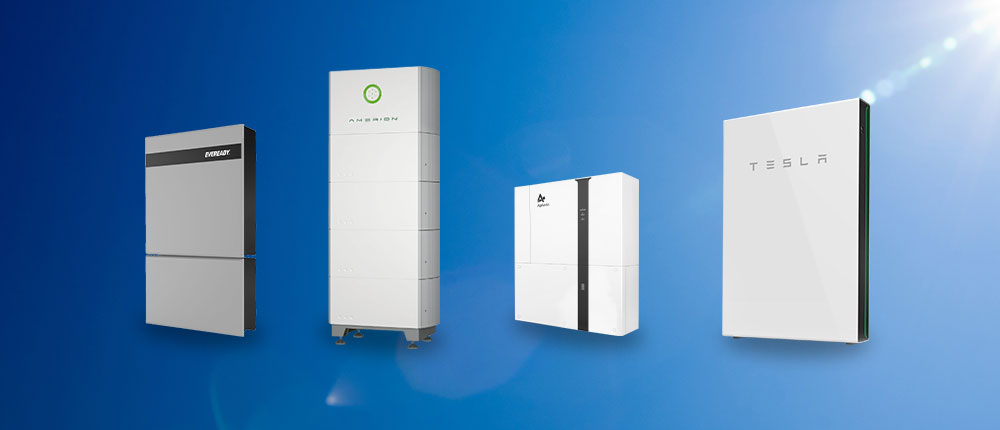
Solar Batteries

Your Savings Partner: Solar Battery Group

Solar Battery Group is dedicated to empowering homeowners with effective solar solutions that significantly cut energy costs. Our comprehensive approach, from personalised system design to ongoing support, ensures you get the most out of your solar investment.

Step into a Cost-Efficient Solar Future

Embracing solar energy with Solar Battery Group means more than just enjoying reduced energy bills; it’s about investing in a sustainable future. Our expert team is here to guide you through every step of your solar journey, from initial consultation to installation and beyond.

Transform your home into a beacon of sustainability and cost-efficiency with Solar Battery Group’s home solar solutions. Contact us today to explore how we can help you start saving with solar or request a call back here.


In the sun-drenched landscapes of Australia, solar energy presents an incredible opportunity for homeowners to harness clean, renewable power. However, maximising system efficiency is the key to genuinely benefiting from solar panels. Solar Battery Group is here to share expert tips to help Australian homeowners get the most out of their solar investment.

Optimal Panel Placement

Embrace the Sun

The positioning of solar panels significantly impacts their efficiency. In Australia, panels should ideally face north to capture maximum sunlight throughout the day. Depending on your specific location, an inclination angle between 15 to 40 degrees can further optimise sun exposure.

Avoid Shade

Shadows cast by trees, buildings, or other structures can significantly reduce solar panel output. Regularly check and clear any obstructions that might cast shadows, especially during peak sunlight hours.

Adding a solar battery to your system can significantly enhance efficiency by storing excess energy produced during the day for use during lower production periods or at night

Regular Maintenance

Keep It Clean

Dust, debris, and bird droppings can obstruct sunlight and diminish panel efficiency. Periodic cleaning, especially after storms or in particularly dusty areas, ensures your panels operate at peak performance.

System Health Checks

Annual inspections by a professional can help identify and rectify potential issues, such as wiring problems or inverter malfunctions, ensuring your system maintains optimal efficiency.

Upgrade to a Smart Solar System

Integrate Smart Technology

Modern solar systems come equipped with smart technology that allows for real-time monitoring of energy production and consumption. This data can help you adjust your usage patterns to align with peak production times.

Consider a Solar Battery

Adding a solar battery to your system can significantly enhance efficiency by storing excess energy produced during the day for use during lower production periods or at night, ensuring no watt goes to waste.

Ambrion Solar Battery

Energy-Efficient Appliances and Practices

Upgrade to Energy-Efficient Appliances

Using energy-efficient appliances can reduce overall household energy consumption, allowing you to make the most of your solar-generated electricity.

Mindful Energy Use

Adopting energy-conscious habits, such as using high-consumption appliances like washing machines and dishwashers during peak solar production hours, can further maximise your solar system’s efficiency.

P.S. You can read more about reducing energy use in one of our previous posts by clicking here.

Maximising solar efficiency is not just about the right equipment; it’s also about adopting smart practices and staying proactive about maintenance and upgrades.

Stay Informed on Solar Advancements

Embrace Innovation

The solar industry is rapidly evolving, with new advancements and products constantly emerging. Stay informed about the latest solar technologies and consider upgrades that could enhance your system’s efficiency.

Solar Battery Group: Your Partner in Solar Efficiency

At Solar Battery Group, we’re committed to helping Australian homeowners harness the full potential of solar energy. Our range of high-quality solar solutions, from panels to batteries, is designed to meet the diverse needs of Australian homes, ensuring optimal efficiency and maximum savings.

Ready to Optimise Your Solar System?

Maximising solar efficiency is not just about the right equipment; it’s also about adopting smart practices and staying proactive about maintenance and upgrades. Solar Battery Group is here to guide you through every step, from system recommendations to installation.

Join other Australian homeowners making the most of their solar investment. Contact Solar Battery Group today to learn more about optimising solar efficiency and embracing a sustainable, cost-effective energy future.

As the adoption of solar energy continues to grow in Australia, many homeowners are faced with a pivotal decision regarding optimising their solar energy systems: Should they expand their solar panels or invest in a solar battery? This decision often hinges on understanding your energy usage patterns, especially if your household consumes more power during the evening. Solar Battery Group is here to shed light on this decision, helping you make an informed choice that maximises efficiency and sustainability.

Understanding Your Energy Usage

The first step in making an informed decision is understanding when and how you use energy. Homes that consume a significant portion of their energy at night can benefit significantly from storing solar power generated during the day, making solar batteries an attractive option.

Conversely, if your home’s energy usage is high during the daytime, additional panels might suffice to meet your energy needs when solar production peaks.

More panels mean more energy production, reducing your reliance on the grid and lowering energy bills.

The Case for More Solar Panels

Expanding your solar panel array can significantly increase the amount of solar energy your system generates. This is particularly beneficial for households with high daytime energy consumption, such as those with individuals working from home or with energy-intensive appliances in use during the day. More panels mean more energy production, reducing your reliance on the grid and lowering energy bills.

Pros:

  • Increased solar generation capacity
  • Direct use of solar energy, reducing daytime reliance on the grid
  • Potentially eligible for feed-in tariffs for excess energy sent back to the grid

Cons:

  • Limited to providing power during sunlight hours
  • Excess energy generated during the day without usage is sent back to the grid, often at lower rates
  • Requires maintenance to elongate lifespan

optimising your solar energy

The Case for a Solar Battery

A solar battery can be a game-changer for those whose energy consumption spikes in the evening or at night. Solar Batteries store excess energy generated during the day when the sun goes down, ensuring that your home can run on solar power even after sunset. This maximises your solar energy use and provides a backup power source in case of grid outages.

Pros:

  • Enables the use of solar energy 24/7, regardless of sunlight availability
  • Provides energy security and independence from the grid
  • Can store energy for use during peak tariff times, saving money on electricity bills

Cons:

  • Higher initial investment compared to adding more panels
  • Requires maintenance and has a finite lifespan

For those using more energy at night, a solar battery can offer the flexibility to utilise solar energy round the clock, enhancing energy independence and efficiency.

Making the Right Choice for Your Home

The decision between adding more solar panels or investing in a solar battery should be based on your specific energy usage patterns, financial considerations, and energy goals. Here are some factors to consider:

Energy Consumption Patterns: Assess when you use the most energy and whether it aligns more with daylight hours or nighttime.

Financial Incentives: Consider government rebates, incentives, and feed-in tariffs available for solar panels and batteries in your area.

Return on Investment: Calculate each option’s long-term savings and payback period, considering your energy consumption and equipment cost.

Future Energy Needs: Consider any anticipated changes in your energy usage, such as adding an electric vehicle or changing household occupancy.


Choosing between expanding your solar panel array and investing in a solar battery is a significant decision that hinges on understanding your energy usage patterns. For those using more energy at night, a solar battery can offer the flexibility to utilise solar energy round the clock, enhancing energy independence and efficiency. Solar Battery Group is committed to providing expert guidance and tailored solutions to ensure your solar energy system meets your needs and maximises your investment.

Whether you decide to add more panels or invest in a battery, optimising your solar energy system is a step forward in your sustainable living journey. Contact Solar Battery Group today to explore the best options for enhancing your solar energy setup.

Solar Battery Group can help you take charge of your energy solutions.

As Australia progresses towards a sustainable future, the government has rolled out various incentives to encourage homeowners and businesses to adopt solar energy solutions, including solar battery installations.

Understanding government incentives for solar battery installs can significantly reduce upfront costs and improve the return on investment for those looking to harness the power of solar energy. Solar Battery Group is here to guide you through the landscape of available government incentives, ensuring you can make the most of these opportunities.

The Importance of Solar Batteries

Solar batteries play a crucial role in maximising the efficiency of solar power systems. By storing excess energy generated during the day, households and businesses can use solar power even when the sun isn’t shining, reducing reliance on the grid and lowering energy bills. The environmental benefits, coupled with the potential for energy independence, make solar batteries an attractive investment for Australians.

It’s essential to check the specific incentives available in your area, as they can significantly reduce the initial investment required.

Federal Government Incentives

Small-scale Renewable Energy Scheme (SRES)

Under the SRES, individuals and small businesses can receive Small-scale Technology Certificates (STCs) for their solar battery system, provided it’s connected to a renewable energy source like solar panels. The number of STCs awarded depends on the system’s size and location, and these can be sold to recoup a portion of the installation costs.

Home Battery Scheme (Specific to States and Territories)

Several states and territories offer schemes to incentivise the further installation of solar batteries. These can take the form of rebates, low-interest loans, or feed-in tariffs for the excess energy stored in your battery and fed back into the grid. It’s essential to check the specific incentives available in your area, as they can significantly reduce the initial investment required.

Government incentives for solar battery

State-Specific Incentives

Victoria’s Solar Homes Program

Victoria offers a rebate for eligible households installing solar battery systems, reducing the overall installation cost. This initiative aims to accelerate the adoption of solar batteries and enhance the state’s renewable energy footprint.

South Australia’s Home Battery Scheme

South Australia provides subsidies for installing home battery systems, making it more affordable for residents to store solar energy. The subsidy varies based on the battery’s size and the household’s eligibility.

New South Wales Empowering Homes Program

New South Wales offers interest-free loans for solar battery systems to eligible homeowners, facilitating the transition to solar energy without the financial burden of upfront costs.

Navigating the Incentive Landscape

While these incentives present fantastic opportunities, navigating the eligibility requirements and application processes can be complex. Solar Battery Group specialises in simplifying this journey for you, offering expert advice and support from initial consultation to installation and beyond.

Australia’s government incentives for solar battery installations represent a significant push towards a sustainable and renewable energy future

Steps to Take Advantage of Incentives:

Consult with Experts: Engage with Solar Battery Group to understand the specific incentives available in your area and how they apply to your situation.

Assess Eligibility: Each incentive program has its own set of eligibility criteria. It’s crucial to ensure you meet these requirements before proceeding.

Understand the Application Process: Familiarise yourself with the application process for the relevant incentives. Our team can guide you through each step, ensuring a smooth and successful application.

Australia’s government incentives for solar battery installations represent a significant push towards a sustainable and renewable energy future. By reducing the financial barriers and improving the economics of solar batteries, these incentives make it more accessible for Australians to contribute to a greener environment and enjoy the benefits of solar energy.

Solar Battery Group is dedicated to helping you navigate this landscape, ensuring you can maximise these opportunities to enhance energy independence and contribute to a sustainable future. Contact us today to explore how you can benefit from government incentives for your solar battery installation.

In the world of renewable energy, solar batteries play a pivotal role. They store the energy harnessed by solar panels, allowing for a consistent power supply even when the sun isn’t shining. However, like all solar power system components, they require regular maintenance to function at their best. This blog post aims to provide with essential solar battery maintenance tips to ensure their systems remain efficient and effective.

Regular Inspection and Cleaning

One key aspect of maintaining a solar battery system is regular inspection and cleaning. It’s crucial to check for any signs of damage or wear that could impact the system’s performance. The battery terminals, in particular, need to be kept clean and free from dust and corrosion. A clean connection ensures optimal performance and longevity of the batteries.

Monitoring charge levels and utilising a charge controller can significantly help maintain the battery at its ideal charge state

Ensuring Proper Charging

Proper charging is vital for the health of solar batteries. Avoid overcharging or undercharging, as either extreme can harm the battery’s lifespan and efficiency. Monitoring charge levels and utilising a charge controller can significantly help maintain the battery at its ideal charge state, ensuring long-term health and efficiency.

Ideal Storage Conditions

The environment in which solar batteries are stored significantly affects their lifespan and efficiency. Batteries should be kept in a space with controlled temperature and humidity levels. Extreme temperatures and moisture can lead to decreased battery efficiency and a shorter lifespan, so maintaining an ideal storage environment is crucial.

Balanced Usage and Load Management

It’s essential to manage the energy load effectively to prevent overloading the solar battery system. This involves using energy-efficient appliances and being mindful of the overall power consumption. Balanced usage ensures the batteries are not subjected to unnecessary stress, extending their lifespan.

Solar Battery Maintenance

Periodic Performance Checks

Periodic professional check-ups are recommended to assess the health of solar batteries. These checks can help detect potential issues early, allowing for timely interventions that can save costs and extend the battery’s life.

Updating Your System

It is also crucial to stay updated with the latest solar battery technologies and software updates. These updates can improve the system’s efficiency and functionality. Consulting with experts for system upgrades can provide significant benefits in the long run.

Understanding Your Solar Battery’s Life Cycle

Understanding the typical lifespan of solar batteries and how proper maintenance can maximise this lifespan is essential for users. This knowledge helps plan replacements and upgrades, ensuring the solar system remains efficient throughout its use.

In conclusion, regular solar battery maintenance of solar batteries can help maintain the efficiency of a solar power system. By following these tips, users can ensure their system operates at peak efficiency for as long as possible.

For professional advice and services, the Solar Battery Group is always available to assist with all your solar battery needs.

Do not hesitate to contact the Solar Battery Group for more information or assistance with your solar battery system. Our team of experts is always ready to provide you with the best solutions for your solar energy needs.

Contact Support

As the shift towards renewable energy gains momentum, understanding the role of energy storage becomes crucial. Solar systems are at the forefront of this shift, but their efficiency hinges on reliable battery solutions. This article explores various sustainable energy storage solutions, guiding you to make the best choice for your solar system.

The Importance of Battery Storage in Solar Systems

Solar panels generate power during the day, but what happens when the sun sets? That’s where batteries come in. They store excess energy produced during daylight hours, making it available when needed, ensuring a consistent power supply and maximising your solar investment.

Each battery type brings strengths and considerations to solar power systems, catering to diverse needs and applications.

Types of Solar Batteries

Solar energy systems often utilise four primary battery types: lead-acid, lithium-ion, nickel-cadmium, and flow batteries. Each type has unique characteristics, making them suitable for different applications.

Lead-Acid Batteries

Leading-acid batteries have been a staple in automotive and industrial settings for many years. They offer a lower energy density, meaning they store less energy per unit of weight than other types. Despite this, their affordability and reliability make them a frequent choice for residential solar systems. Available in both flooded and sealed versions, lead-acid batteries can be designed for shallow or deep cycle applications, with recent advancements enhancing their longevity. Their suitability for home solar systems continues due to these improvements.

Lithium-Ion Batteries

Lithium-ion technology, a more recent innovation, stands out for its high energy density, providing a compact, lightweight, and efficient storage solution. Lithium-ion batteries are ideal for portable electronics like laptops, smartphones and residential solar systems. They enable users to utilise a larger portion of the stored energy before recharging is needed. However, they come with a higher price tag and, if not installed correctly, can pose a fire risk due to thermal runaway.

Nickel-Cadmium Batteries

Nickel-cadmium batteries, less common in residential settings, are primarily used in aviation and industrial contexts. They boast high durability and the ability to operate in extreme temperatures. Maintenance requirements for these batteries are comparatively lower. However, cadmium’s toxicity is a concern, necessitating careful disposal to mitigate environmental harm.

Flow Batteries

Flow batteries generate power through chemical reactions between liquid electrolytes in two separate chambers. They are highly efficient, allowing for 100% depth of discharge, but their low energy density means large tanks are needed to store substantial amounts of energy. This requirement often makes them too bulky and expensive for typical home use, though they are well-suited for larger applications and spaces.

Each battery type brings strengths and considerations to solar power systems, catering to diverse needs and applications.

sustainable energy storage solutions

Factors to Consider When Choosing a Battery

Capacity & Power: Determines how much energy can be stored and how much can be used at any given time.

Lifespan & Warranty: Indicates how long the battery will last and the guarantee provided by the manufacturer.

Depth of Discharge (DoD): Refers to how much of the battery’s capacity can be used without affecting its lifespan.

Cost: Includes the initial investment and any ongoing maintenance expenses.

Emerging technologies, like solid-state batteries, promise higher energy densities, faster charging, and enhanced safety. Staying informed about these advancements is critical to choosing a storage solution that will remain relevant.

Why Sustainable Battery Storage Matters

Choosing the correct battery isn’t just about energy efficiency; it’s also about reducing environmental impact. Sustainable batteries minimise waste and pollution, aligning with the eco-friendly ethos of solar power.

Selecting the right battery for your solar system is a crucial decision. It influences not only your energy independence but also your contribution to a sustainable future. Consider your energy needs, budget, and environmental impact when choosing a storage solution.

Ready to enhance your solar system with the right battery solution? Contact Solar Battery Group on 1300 223 224 or request a quote here. Our experts will guide you through the best sustainable energy storage solutions tailored to your needs.

Contact us

Solar energy has become a cornerstone of sustainable living in Australia, where sunshine is abundant. However, the effectiveness of solar systems hinges significantly on one key component: solar batteries. This article delves into the current landscape of solar batteries in Australia and evaluates whether they’re a worthwhile investment.

Australia’s solar energy market is witnessing a remarkable uptrend in solar battery adoption. Households and businesses increasingly integrate batteries into their solar systems for enhanced energy independence and efficiency. But what’s driving this surge?

Advancements in Battery Technology

Recent years have seen significant improvements in battery technology. Lithium-ion batteries, in particular, are known for their high energy density and longevity, lead the charge. These advancements have resulted in more compact, powerful, and reliable batteries, making solar systems more practical and appealing.

Government incentives and rebates further make solar batteries more feasible for many Australians.

Cost Considerations

One of the primary factors in evaluating the worthiness of solar batteries is cost. Initially, the high price of solar batteries posed a barrier. However, as technology advances and production scales up, prices are gradually decreasing. Government incentives and rebates further make solar batteries more feasible for many Australians.

Energy Independence and Reliability

With solar batteries, homeowners can store excess solar energy generated during the day, reducing their reliance on the grid. This energy independence is particularly valuable during power outages or periods of high electricity demand. Moreover, batteries enable households to make the most of their solar investment by utilising more of the energy they produce.

Environmental Impact

Solar batteries amplify the environmental benefits of solar panels. Maximising clean solar energy helps reduce carbon footprints and contributes to a more sustainable future.

Solar batteries solar batteries in australia

Return on Investment

Considering the reduction in electricity bills, the potential for feed-in tariffs, and the increased value they add to a property, solar batteries can offer a significant return on investment over time. The key is to balance the initial cost against long-term savings and benefits.

The Future of Solar Batteries in Australia

Looking ahead, the solar battery market in Australia is poised for continued growth. Solar batteries are becoming an increasingly attractive and viable option with ongoing technological advancements, supportive government policies, and increasing environmental awareness.

So, are solar batteries worth the investment in Australia? The answer is ‘hell yes’. As technology improves and costs decrease, solar batteries are not just a luxury add-on but a wise, future-proof investment for many Australian households.

Thinking about enhancing your solar system with a reliable battery? Contact Solar Battery Group at 1300 223 224 or request a quote here. Let us help you navigate the world of solar batteries and find the perfect fit for your energy needs.

Contact us

As homeowners increasingly adopt sustainable energy solutions, many are turning to solar power. A common question is whether a 10 kW solar system is sufficient for powering a home. This article dives into the specifics, helping you make an informed decision.

What Does a 10 kW Solar System Mean?

A 10 kW solar system with high-quality panels can generate about 40 kWh per day. This output depends on several factors: geographic location, panel orientation, and weather conditions.

Typically speaking, a 10kW solar system is sufficient to supply energy to 2 medium-sized homes or a single larger residence. The average household’s daily energy usage in Australia ranges from 20kWh to 22kWh. As a result, a solar setup of this size is well-suited for a spacious residential property with multiple electrical devices or a small-scale commercial enterprise.

However, the opportunity to utilise a feed-in tariff presents itself for homes connected to the electricity grid. This allows the surplus electricity generated during the daytime to be fed back into the grid, with the option to draw from the grid during the night. A solar system surpassing your energy needs can lead to further reductions in your electricity bills, as the extra energy produced during the day could exceed the amount you consume at night.

If your daily consumption is below 40 kWh, a 10 kW solar system could be ideal.

Assessing Your Energy Needs

The average Australian household consumes approximately 15-25 kWh per day. However, energy needs can vary widely. Evaluate your monthly energy bills to understand your usage pattern. If your daily consumption is below 40 kWh, a 10 kW solar system could be ideal.

Benefits of a 10 kW Solar System

Cost-Effective: A 10 kW system can significantly save electricity bills over time.

Environmentally Friendly: Solar energy reduces greenhouse gas emissions and dependence on fossil fuels, contributing to a cleaner and more sustainable environment and ultimately a healthier planet.

Energy Independence: Reduce reliance on grid power and ensure uninterrupted power supply with battery storage.

10 kW Solar System

Considerations Before Installation

Space Requirements: A 10 kW solar system typically needs about 60-70 square meters of roof space.

Initial Investment: While the upfront cost can be substantial, government incentives and lower energy bills offset this over time.

Maintenance: Solar systems require minimal maintenance, but regular check-ups maximise efficiency and lifespan.

Choosing the Right System

Every home is unique. Factors such as roof space, energy consumption, and budget are crucial in determining the right system. Professional assessment is key and we’re here to help!

A 10 kW solar system can be a powerful solution for many homes, but it’s essential to tailor the system to your specific needs. Solar Battery Group is committed to helping you find the perfect solar solution.

Ready to explore solar options for your home? Call us directly on 1300 223 224 or request a quote here. Our experts at Solar Battery Group are here to guide you every step of the way.

Contact us

Imagine enduring a blistering Australian summer day without internet, air conditioning, or a phone charger. With blackouts predicted to wreak havoc on Australian homes and businesses this season, preparation is critical, which is where a solar battery system comes into play.

This blog post will explore how solar battery systems have emerged as a valuable and reliable solution to combat blackouts and keep the lights on when the grid goes down.

The Challenge of Blackouts

Blackouts, whether caused by severe weather, grid failures, or other unforeseen circumstances, can bring our daily routines to a halt. They disrupt businesses, disrupt communication, and, in some cases, even jeopardise public safety.

To address this challenge, many homeowners and businesses are turning to solar power combined with energy storage solutions, such as solar battery systems, to ensure uninterrupted access to electricity during power outages.

these systems provide security and independence that traditional grid-dependent solutions cannot match.

The Role of a Solar Battery System

Solar battery systems play a pivotal role in addressing the challenges posed by blackouts. These include:

Energy Storage: Solar battery systems store excess energy generated by solar panels during sunny days. This stored energy can be used to power your home or business when the grid is down, ensuring a continuous electricity supply.

Grid Independence: Solar battery systems provide a level of energy independence by reducing reliance on the traditional electrical grid. This means you can continue to use essential appliances even when the grid is unavailable.

Peak Demand Management: Solar batteries can also help manage energy consumption during peak demand hours, reducing electricity costs and strain on the grid.

Environmental Benefits: Solar power combined with battery storage reduces the need for backup generators, which often run on fossil fuels. This transition to clean energy helps reduce carbon emissions and contributes to a more sustainable environment.

Cost Savings: Over time, a solar battery system can lead to significant cost savings on electricity bills, making them an economically sound investment.

Solar battery systems have emerged as a significant advancement in the ongoing battle against blackouts and the quest for reliable, sustainable energy sources. By harnessing the sun’s power and efficiently storing energy when needed most, these systems provide security and independence that traditional grid-dependent solutions cannot match. Other benefits of Solar Batteries include:

Solar battery system

Keeping the Lights On

Ensuring the lights remain on, refrigerators keep running, and essential devices are charged during a power outage can be a game-changer. Solar battery systems provide a reliable and long-term solution to this problem.

Maintenance and Longevity

One of the often overlooked advantages of solar battery systems is their low maintenance requirements. These systems are designed for durability and longevity, typically requiring minimal upkeep. They can last many years with proper care, providing a reliable backup power source. The peace of mind that comes with knowing your solar battery system is ready to perform when needed without demanding significant ongoing maintenance is a substantial benefit for users. This makes them a practical and cost-effective solution for residential and commercial applications.

Solar Battery Group is here to help you explore the benefits of solar battery systems and ensure you’re prepared to keep the lights on when blackouts strike. Don’t let power outages disrupt your life—embrace the future of energy with solar battery systems.

Call us today on 1300 223 224 or request a call back to explore your options and take control of your energy future.

Homeowners are shifting towards cleaner and more sustainable energy sources, driven by the increasing popularity of solar power and batteries with the support of subsidies. This blog post outlines the role of subsidies in promoting solar battery adoption and its profound impact on sustainable living.

The Rise of Solar Batteries

Solar batteries, also known as energy storage systems, play an important role in enhancing the efficiency and value of solar power systems. They store excess electricity generated by solar panels during sunny days, making them available for use during cloudy periods or at night. This technological advancement has alleviated one of the significant limitations of solar energy – its intermittent nature.

These subsidies aim to make solar battery installations more affordable for homeowners and businesses.

The Importance of Solar Battery Subsidies

To accelerate the adoption of solar batteries and transition towards a more sustainable energy landscape, many governments and organisations have introduced subsidies and incentives. These subsidies aim to make solar battery installations more affordable for homeowners and businesses. Here are some ways subsidies impact the solar battery industry:

Cost Reduction: Solar battery subsidies can significantly reduce the upfront cost of purchasing and installing solar batteries, making them more accessible to consumers.

ROI Enhancement: By decreasing the payback period, subsidies enhance solar battery systems’ return on investment (ROI), increasing their financial appeal.

Environmental Benefits: Increased adoption of solar batteries reduces greenhouse gas emissions and dependence on fossil fuels, contributing to a cleaner and more sustainable environment.

Energy Independence: Solar batteries empower individuals and communities to become more self-reliant by storing excess energy for later use, reducing reliance on grid power.

Grid Resilience: A widespread adoption of solar batteries can enhance the resilience of the electrical grid, especially during peak demand periods and power outages.

Solar Battery Subsidies

Encouraging Sustainable Living

The adoption of solar batteries has allowed homeowners to achieve more sustainable lifestyles through:

Reduced Carbon Footprints: Solar battery systems reduce reliance on fossil fuels, helping to lower carbon emissions and combat climate change.

Energy Conservation: With energy storage, individuals can optimise their energy usage, reducing wastage and promoting energy conservation.

Energy Access in Remote Areas: Solar batteries provide a reliable source of electricity in off-grid and remote areas, improving living conditions and opportunities for economic development.

Energy Security: Solar battery systems enhance energy security by providing backup power during emergencies and grid disruptions.

Economic Benefits: Subsidies and incentives for solar batteries create jobs in the renewable energy sector and stimulate economic growth.

The role of subsidies in promoting solar battery adoption cannot be understated. These financial incentives play a crucial role in making solar batteries more accessible, ultimately contributing to a clean and sustainable energy landscape.

We can all take significant steps toward a greener future by embracing solar battery technology and the subsidies that support it. Solar Battery Group is here to help you make the most of these opportunities for a sustainable and energy-efficient tomorrow. Contact us directly on 1300 223 224 or request a quote here.