Common energy tips and tricks

If you’re a Tassie homeowner looking to cut your energy bills, reduce blackout stress and future-proof your home — 2025 could be the perfect time to make your move.

Thanks to the Solar Battery Rebate Tasmania 2025, plus an interest-free loan scheme through the state government, it’s now easier (and more affordable) than ever to install a battery-backed solar system.

Here’s everything you need to know about the solar battery rebate scheme Tasmania residents can tap into this year.

With soaring power prices, increasing blackouts, and reduced feed-in tariffs, it’s no wonder South Australians are looking for better ways to take control of their energy. Fortunately, thanks to the Solar Battery Rebate South Australia 2025, switching to a battery-backed solar setup has never been more accessible — or more important.

Whether you’re already generating your own solar power or just starting your clean energy journey, here’s everything you need to know.

But first,

With power bills on the rise, yet again, and blackouts becoming a common occurrence — it’s no surprise that more Queenslanders are rethinking how they power their homes. That’s why thousands of Queenslanders are now turning to solar battery storage — and thanks to the Queensland Solar Battery Rebate 2025, it’s more affordable than ever.

If you’ve been side-eyeing your energy bills lately, you’re not alone. With electricity prices rising (again) and gas prices showing no signs of slowing, plenty of Aussie households are starting to ask the big question:

Is Gas Still the Cheapest Way to Heat Water?

Spoiler: Not really.

In 2025, electric heat pump systems are rapidly becoming the smarter, more cost-effective, and more sustainable option — especially when paired with rooftop solar and a home battery.

Let’s break it down.

What’s the Difference Between a Heat Pump and a Gas System?

When it comes to hot water heat pumps vs gas systems — how do they actually work?

  • Gas hot water systems burn natural gas to heat your water. They’re fast, familiar, and have been the go-to in Aussie homes for decades.
  • Heat pump systems use electricity to extract heat from the air (kind of like a reverse fridge) and use that to warm your water. They’re incredibly energy-efficient — especially when powered by your solar system.

So both give you hot showers. However, one burns fossil fuel, while the other is designed to work with a renewable future.


Bottom line? Over time, heat pumps win. Even if you’re on the grid, they’re cheaper to run than gas. And if you’re on solar — they’re a no-brainer.


Let’s Talk Costs: What’s Cheaper to Run in 2025?

Here’s where things start to stack up:

Heat Pumps (powered by solar):

  • Use far less electricity than traditional electric water heaters
  • It can be free to run if powered by rooftop solar
  • Eligible for rebates in many states
  • Long-term energy savings (even more with a home battery)

Gas Hot Water:

  • Priced based on gas rates (which are climbing)
  • Lock you into gas bills, even if you go solar elsewhere
  • It may be cheaper upfront — but more expensive in the long run
  • Not eligible for as many electrification incentives

Bottom line? Over time, heat pumps win. Even if you’re on the grid, they’re cheaper to run than gas. And if you’re on solar — they’re a no-brainer.


HeatPump-Service


Rebates Can Tip the Scales Even More

Depending on where you live, you might be eligible for state and federal rebates when you install a heat pump hot water system. Some programs even cover thousands of dollars, making the upgrade surprisingly affordable.

Here’s the best part — you don’t need to go searching through government websites to figure it out. The team at Solar Battery Group can help you determine exactly what’s available in your area and assist with the paperwork as well.


Got Gas Heating? Claim $7,000 To Switch Today


Future-Proofing Your Home (and Your Bills)

Gas might’ve made sense 10 or 15 years ago — but in 2025? The landscape’s changed.

Electrification is no longer just a buzzword. It’s a shift towards more control, lower bills, and cleaner living.


Switching to a hot water heat pump might be one of the easiest and most impactful steps you can take toward electrifying your home.


Heat pumps are part of that future. When powered by solar (and especially with a battery), they help you:

  • Use more of your own energy
  • Avoid peak-time costs
  • Cut ties with rising gas prices
  • Reduce your emissions without reducing comfort

And in the event of a blackout? Your battery keeps things running while your neighbours are boiling kettles on camp stoves.


How to Get Started in Home Electrification


Ready to Ditch the Gas Bill?

Switching to a hot water heat pump might be one of the easiest and most impactful steps you can take toward electrifying your home.

Whether you’re upgrading an old system or building from scratch, our team can walk you through everything — from product selection to installation to maximising your rebates.

Because a cheaper, cleaner future doesn’t need to be complicated.

Let’s make 2025 the year you stop heating water with gas.

Request a call-back from Solar Battery Group today and find out how much you could save.


Switch To A Better Future

We all know energy prices aren’t what they used to be. Every time a bill arrives, it feels like a new record — and not the good kind. Add in concerns about climate change, and it’s no surprise that more Aussies are starting to rethink how their homes are powered.

You might’ve heard the phrase “electrify your home” being thrown around lately. Sounds techy, right? But it’s actually pretty straightforward — and surprisingly practical.

If you’re wondering what it involves or whether it’s worth the effort (it is, by the way), keep reading.

So… What Does it Actually Mean to Electrify a Home?

It’s not some futuristic fantasy — it’s simply about shifting away from gas and replacing it with cleaner, more efficient electric systems.

For most homes, this looks like:

  • Swapping out a gas heater for reverse-cycle air conditioning
  • Replacing a gas hot water system with an electric heat pump
  • Saying goodbye to that old gas cooktop and switching to induction
  • And ideally, powering everything with rooftop solar and a home battery

Going electric doesn’t mean giving up comfort or convenience — it’s actually the opposite. The systems available now are quieter, safer, and more energy-efficient than their fossil-fuelled counterparts.


Making the switch to electric, especially when powered by solar and battery storage, gives you way more control.


Got Gas Heating? Claim $7,000 To Switch Today


Here’s the Thing: Doing Nothing Will Cost You

It’s not just about saving the planet (though that’s a pretty big bonus). Sticking with gas and full reliance on the grid is becoming very expensive — and it’s only going one way (hint: it’s not down).

Making the switch to electric, especially when powered by solar and battery storage, gives you way more control. It means:

  • You use more of your own power
  • You’re less exposed to price hikes
  • You’ll notice smaller, more predictable bills

And that peace of mind when the next price rise or blackout hits? Priceless.

Solar + Battery = Game Changer

Solar panels are a great start, but by themselves, they only work when the sun’s out. That’s fine during the day, but what about evenings, cloudy weather, or when the grid goes down?

This is where a solar battery changes everything.

With a battery, you can store your excess solar energy and use it when it suits you — not just when the sun says so. Whether it’s running your heater on a chilly night or keeping the lights on during a blackout, your battery’s got your back.


Maximising the ROI of Solar Panels and Batteries in 2025


Not Sure Where to Begin? Try This:

If the whole idea of electrifying your home feels a bit overwhelming, don’t stress. You don’t need to do it all at once. Here’s a simple way to start:

Have a chat with a solar expert.

A business like Solar Battery Group will give you advice on the type of system that best suits your home, energy usage, and budget. Even just getting the info is a smart move.

Start swapping out appliances gradually.

That gas water heater on its last legs? Time for a heat pump. Upgrading your stovetop? Induction is the way to go. Think of it as future-proofing, one appliance at a time.

Add a battery (or plan for one).

If you already have solar, a battery makes a HUGE difference. And if you’re installing a full system from scratch, factoring in storage from day one will give you the best long-term value.

Use tech to your advantage.

There are great tools now to help you monitor your usage, optimise your savings, and understand your energy flow better than ever.


Our Monitoring Plans


There Might be Money on the Table

Here’s something that doesn’t get talked about enough — you might not have to foot the whole bill when you start electrifying your home.

What’s on offer really depends on where you live, but in many parts of Australia, there’s help available to ease the cost of going electric. From rebates on solar panels and batteries to perks for ditching gas appliances, some states even offer cash back just for joining a Virtual Power Plant.

It’s not always super obvious what you qualify for (or how to get it), but it’s worth checking. These programs can knock thousands off the upfront cost — which means the switch becomes a whole lot more doable.

And if navigating government websites isn’t your idea of fun (fair enough), the team at Solar Battery Group can help you figure out what’s available in your area and walk you through it step by step.


It’s about building a home that’s cheaper to run, better for the planet, and more resilient in the face of rising costs.


It’s not just About Energy — It’s About Freedom

At the end of the day, electrifying your home is about more than power points and panels.

It’s about gaining independence.

It’s about building a home that’s cheaper to run, better for the planet, and more resilient in the face of rising costs.

And the best part? You don’t have to figure it out alone.

Solar Battery Group is here to help you make sense of it all — no pressure, no confusing lingo—just honest, real advice tailored to you. Request a call-back here.


Become Energy Independent


Solar panels are amazing. No doubt about it. The reason why solar batteries matter is that they turn sunshine into electricity and help you lower your power bills. But here’s what many people don’t realise — panels on their own only take you halfway. To get the full benefit of solar energy, you need a battery. That’s where the real transformation begins.

If you’ve wondered whether a solar battery is worth it, this blog is for you. We’re breaking it down in plain English — what a battery does, why it matters, and how it can help you move from just using solar… to truly living sustainably.

Solar Power Without Storage? It’s not the Whole Picture

Solar panels work hardest when the sun is high, late morning to early afternoon. But here’s the catch: most homes use the bulk of their energy in the early morning and evening.

That means unless you’re home during the day, a good chunk of the power your panels generate goes back to the grid. Sure, you might get a small credit (known as a feed-in tariff), but the rates are usually much lower than what you’ll pay to buy that power back later.

In short? You’re giving away your solar energy and buying it back at a higher cost. Doesn’t make much sense, right?


It’s a move towards true energy independence and a cleaner, more resilient power future.


What does a Solar Battery Actually do?

It’s simple. A solar battery stores the energy your panels create during the day so that you can use it later — when the sun goes down, when your usage peaks, or when there’s a blackout.

Think of it like meal prepping. You’ve already done the work (collected the energy), so now you just need somewhere to store it until it’s time to eat (or, in this case, power your appliances).

You’re no longer relying on the grid. You’re using your own clean, free energy on your own terms.


Understanding The Eveready Energy Vault


Why it’s a Game-Changer for Sustainability

We often hear that solar is a sustainable choice. And it is — but it becomes truly powerful when paired with a battery.

Here’s why:

  • You use more of your own energy, meaning less reliance on coal and gas-fired power plants.
  • You avoid drawing from the grid during peak demand times, helping reduce overall strain on the system.
  • You shrink your household’s carbon footprint even further — not just during the day, but around the clock.

It’s a move towards true energy independence and a cleaner, more resilient power future.

Bonus: Energy Security and Bill Relief

Let’s talk about real-world benefits.

When you’ve got a battery, blackouts are less stressful. Your fridge stays cold. Your lights stay on. And if you’ve got critical devices that need power, you can keep them running without worry.

On top of that, batteries help shield you from skyrocketing energy prices. You can avoid peak-time charges and reduce how much electricity you buy from your retailer.

That adds up to real savings — and peace of mind.


How Much Can You Really Save With A Solar Battery


Solar Batteries are Becoming the New Normal

With more Australians turning to solar and energy costs climbing, the demand for batteries is booming. Government rebates and incentives are helping make them more affordable than ever.

You don’t need to be off-grid or live in a remote area to benefit. Every day, households across suburbs and cities are making the switch, not just for savings, but for stability and sustainability.

And with smart technology, modern solar batteries are more efficient and compact than ever before. They quietly do their job in the background, while you enjoy the benefits up front.


A solar battery lets you take control of your energy use, protect your household from rising costs, and take a real step toward a more sustainable lifestyle.


Store your Sunshine

If you’ve already got solar panels, adding a battery is the logical next step. If you’re starting from scratch, it’s worth bundling both together from day one.

So, to answer the question, ‘why solar batteries matter?’ A solar battery lets you take control of your energy use, protect your household from rising costs, and take a real step toward a more sustainable lifestyle.

And the best part? It’s all powered by something that shows up every day — the sun.

Ready to see how a solar battery could work for your home?

Chat to our friendly team at Solar Battery Group. No pressure. Just honest answers, expert guidance, and real solutions tailored to your home.


Become Energy Independent


Let’s be honest—energy bills aren’t getting cheaper. Whether it’s the rising cost of electricity or reduced feed-in tariffs, many Aussie homeowners are feeling the pinch and save with a solar battery sounds like a great idea.

If you’ve already got solar panels or are thinking about making the switch, you might wonder: How much can you really save with a solar battery?

Let’s break it down in plain English.


Homeowners who pair solar panels with solar batteries can reduce their energy bills by up to 50–80%


The Basics: What Does a Solar Battery do?

Solar panels generate energy during the day. But without a battery, any excess energy you don’t use goes straight back to the grid. And what do you get in return? Usually, a tiny feed-in credit that’s far less than what you pay to use that same energy later on.

A solar battery stores unused energy so you can tap into it at night, during blackouts, or when grid prices spike. Simple.

So, How Much Can You Save?

Save up to 60% Off your Power Bill with a Solar Battery

That’s a big number—but it’s a real one. Homeowners who pair solar panels with solar batteries can reduce their energy bills by up to 50–80%, depending on usage, system size, and local electricity rates.

For example:

Without a battery: typical annual savings are around $1,000–$1,500.

With a battery: this can increase to $2,000–$2,800 per year.

Over 10 years, that could add up to $20,000–$28,000 in total savings, especially with smart energy use and rising power prices.

Feed-In Tariffs are Falling Fast


The End of Solar Feed-In Tariffs? What Falling Rates Mean for Homeowners in 2025


If you’re still relying on selling power back to the grid, we’ve got some bad news: feed-in tariffs have been dropping across the country. In some states, they’re as low as 5c per kWh. Compare that to the 30–40c per kWh you pay to buy electricity, and it’s easy to see why a solar battery makes financial sense.


The End of Solar Feed-In Tariffs


Peak Time Power Prices? No Thanks.

Have you ever looked at your energy bill and noticed the price jumps in the evening? That’s peak pricing, and it’s brutal.

With a solar battery, you can avoid those high rates by using stored solar energy when the grid is most expensive. It’s like dodging the surge pricing on your Uber app—only better.


State and federal rebates—like the new national battery incentive—can cover up to 30% of the cost upfront.


Blackouts? Not your Problem

While this doesn’t show up on your bill, the peace of mind a solar battery gives you during power outages is priceless. Especially in summer, when blackouts are more common, having backup power means your fridge stays cold and your lights stay on.

Government Rebates can Cut the Cost

Here’s the cherry on top: you might not have to pay full price for your battery. State and federal rebates—like the new national battery incentive—can cover up to 30% of the cost upfront.

The sooner you install, the more you could save.

What’s the Payback Period?

In most cases, a solar battery in Australia pays for itself in around 7 to 10 years. But it really comes down to your energy habits. Households that use a lot of power, especially in the evenings, tend to see faster returns. Things like local power prices, system size, and whether you’re getting a rebate also play a big role. And with electricity prices climbing, many Aussie families are seeing their batteries pay off quicker than expected.

So… Is it Worth it?

If you’re looking to save money, protect yourself from rising prices, and get more out of your solar system—yes.

A solar battery is absolutely worth it.

And remember, it’s not just a purchase. It’s an investment in your energy independence and future.


The Comfort of Energy Independence: Why Every Home Needs a Solar Battery


Real Savings, Real Aussies: Ross Dunn’s Journey to Energy Credits – NSW

Background:

Ross Dunn approached us in 2023 with a clear goal—to save on his electricity bills. After discussing his energy needs and objectives, we recommended and installed a 5 kWh Alpha Smile B3 battery to help him achieve significant savings.

Continued Success:

Just one month after the initial installation, Ross was so impressed with the results that he decided to expand his system. We worked closely with him to add a second 5 kWh battery, bringing his total system capacity to 10 kWh.

Results:

The impact has been remarkable. Ross is now earning $100 in credit with each bill, and his total credit has accumulated to $1,400—and it’s still growing.

Key Takeaway:

Ross’s experience highlights the potential for not just reducing energy costs but turning them into a source of income. His decision to expand his system shortly after the initial installation underscores the effectiveness of our solutions and the value of ongoing customer engagement.


Read More Client Success Stories Here


When it comes to savings, you don’t need to guess or hope. At Solar Battery Group, we offer honest advice, customised quotes, and zero-obligation support to help you decide if a solar battery is right for your home.

Want to find out how much you could save with a solar battery?

Get in touch with Solar Battery Group today, or request a call back here.


Become Energy Independent


The question shouldn’t be, ‘Why should I install a solar battery?’

It should be ‘Do you want to maximise your energy independence and financial savings and unlock the full potential of solar energy for your home?’

It’s a bit more of a mouthful, but you get where we’re coming from.

So, does every home need a solar battery? Probably not.

But will they be missing out on incredible benefits by not having one?

Absolutely.

So, keep reading to discover why every home needs a solar battery.

You store your excess energy and use it when you need it most—less buying from the grid and more using your own free, clean power.

Pairing a Solar Battery With Your Existing Solar PV System

Adding a solar battery to your solar PV system is the natural next step.

It lets you store the energy your panels produce during the day. Then, you can use it at night or when the grid goes down.

Without a battery, any extra solar energy you don’t use goes back to the grid. Sure, you may get a small feed-in tariff. But it’s usually much less than what you pay to buy electricity back later.

A solar battery flips that script.

You store your excess energy and use it when you need it most—less buying from the grid and more using your own free, clean power.

The End Of Solar Feed-In Tariffs?

The Real Comfort of Energy Independence

It’s not just about savings (though they’re great). It’s about peace of mind.

Knowing that when there’s a blackout, your lights stay on.

Your fridge keeps running.

Your home stays comfortable.

Solar batteries give you real energy independence. You’re not at the mercy of rising electricity prices. You’re not left in the dark when the grid fails. You’re in control.

Energy Independence

Future-Proofing Your Home

Energy prices aren’t going down anytime soon; in fact, they’re predicted to continue rising throughout 2025 and even into next year.

With grid instability becoming more common and government incentives for solar and batteries dwindling, installing a solar battery now sets you up for long-term stability while also boosting the value of your home. In the competitive real estate market, buyers love homes ready for the future.

How Solar Adds Value To Your Home

Why You’ll Love Having a Solar Battery

Still on the fence?

Let’s revisit what a solar battery can do for you:

  • Slash your power bills
  • Keep your lights on during blackouts
  • Use more of your own solar energy instead of selling it back cheap
  • Lower your carbon footprint
  • Boost your home’s value
  • Give you real energy independence

It’s not just smart.

It’s a game-changer.

Is It Time To Take Charge Of Your Energy?

If you already have solar, a battery isn’t a luxury. It’s the key to unlocking your system’s full power.

At Solar Battery Group, we’re here to make the process easy. We’ll help you find the right solution for your home, energy needs, and budget.

Ready to enjoy true energy independence?

Let’s make it happen.

Contact us, or request a call-back here to get started.

Become Energy Independent

Australia’s renewable energy sector hit a major milestone in 2024—the biggest year for clean energy investment since 2018. According to the Clean Energy Council (CEC), the country saw an impressive $9 billion poured into renewable energy projects and the creation of 10,000 new jobs. This is a powerful indicator of the future of energy and a clear signal that now is the time to invest in solar battery storage.

Energy Storage is Leading the Charge

The CEC noted that “energy storage has been a standout, breaking records yet again.” And the numbers back it up. Over the course of the year, Australia committed to 4,029 MW / 11,348 MWh of new energy storage projects. That’s a massive leap forward, reflecting growing consumer demand and a nationwide push to transition away from unreliable, ageing coal-fired power stations.

For homeowners, this shift opens the door to smarter, more sustainable energy choices—like pairing solar panels with a battery storage system.

homes that rely on solar energy and battery storage are better equipped for a more reliable, cost-effective future.

Why it Matters for You

Solar battery storage allows households to maximise the value of their rooftop solar by storing excess energy when the sun isn’t shining—especially during the evening peak or in a blackout.

In short, homes that rely on solar energy and battery storage are better equipped for a more reliable, cost-effective future.

Chat with SBG about your options

Real-World Benefits of Solar Battery Storage

Solar battery storage isn’t just good for the environment (although that is a great perk)—it’s good for your wallet, lifestyle, and property value. More and more Australian homeowners are seeing the practical, everyday benefits of installing a battery alongside their solar system. Here’s what you can expect:

Lower Power Bills

By storing excess solar energy generated during the day, homeowners can reduce their reliance on the grid and avoid expensive peak-hour electricity rates. Some households are saving up to 80% on their power bills.

Energy Security

With blackouts becoming more common—especially during extreme weather events—a solar battery gives you peace of mind. It keeps essential appliances running when the grid goes down, so you’re never left in the dark.


Invest in solar battery

solar battery storage is an investment in more than just clean energy—it’s an investment in your comfort, financial stability, and future.

Increased Property Value

Solar panels already add value to your home, but pairing them with a battery takes it a step further. Buyers are increasingly looking for energy-efficient homes, and a battery system can make your property stand out in a competitive market.

In short, solar battery storage is an investment in more than just clean energy—it’s an investment in your comfort, financial stability, and future.

The numbers don’t lie: 2024 has set a new standard for renewable energy in Australia. And with solar battery storage at the heart of that growth, your investment today will pay dividends for years to come.

Ready to take the next step? Speak to the team at Solar Battery Group to find the right energy storage solution for your home. Or request a call back here.

Become Energy Independent

Rising electricity prices, declining solar feed-in tariffs, and growing concerns over the grid’s reliability have home and business owners searching for alternative energy solutions. Learn why and how solar batteries are leading the charge.

The Rise of Solar Battery Installations in Australia

In 2024, around 75,000 battery storage systems were installed across Australia, marking a 47% increase from the previous year. This surge will continue in 2025 as more Australians understand the value of storing excess solar power for later use.

homeowners are now looking for other ways to maximise their solar investments—most turning to battery storage options.

One key driver behind this trend? Plummeting solar feed-in tariffs. With energy retailers offering lower payouts for excess solar energy sent to the grid, self-consumption is now the smarter financial move. Instead of losing out on valuable solar energy, households store it during peak hours—when electricity prices are at their highest.

Energy providers now only offer minimal returns for excess energy sent back to the grid. So, homeowners are now looking for other ways to maximise their solar investments—most turning to battery storage options.

According to the Smart Energy Council, on average, households save around $1,500 on power bills annually and another $1,000 with battery storage. Smart Energy Council CEO John Grimes explains solar battery storage in this way: “What solar batteries do is, they time-shift energy from the middle of the day, when it’s super-cheap, to make that super-cheap energy available at nighttime, when prices spike…” He continues, “There’s a saving not just for the householder but for the whole community. That’s because we’re taking pressure off when electricity prices are high.”

Solar batteries allow homes and businesses to store their solar-generated energy and use it when needed—during the evening when electricity demand surges or during blackouts when the grid is unstable. Solar battery users will reduce their reliance on grid electricity, cut costs, and contribute to a more resilient energy system by enabling energy independence.

Combat Rising Electricity Costs with Solar Batteries

As we all know, energy prices have been on a steep incline and are predicted to rise further in 2025. Households that rely solely on grid electricity are vulnerable to fluctuating prices. A solar battery allows owners to lock in energy savings by using stored power instead of drawing from the grid.

As power companies continue adjusting rates, the ability to take control of your energy usage will empower homeowners to take charge of their energy future.

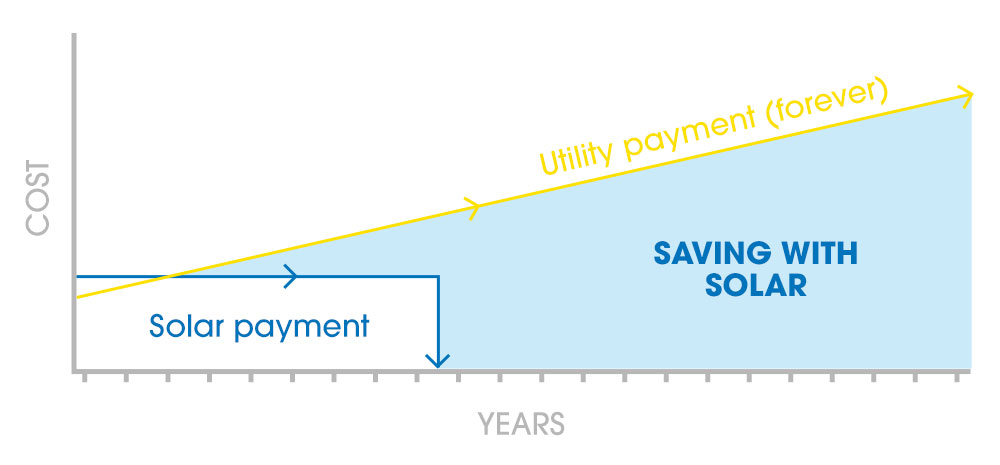
Savings with solar Graph

Protection Against Blackouts and Grid Instability

Blackouts and power outages are becoming more frequent with extreme weather events, leaving many homes without power when they need it most.

A solar battery is an energy safety net, ensuring essential appliances stay powered even during outages. Unlike noisy, smelly fuel-powered generators, solar batteries provide silent, seamless backup power without refuelling or maintenance.

In 2025, as grid instability continues to be a concern, solar battery adoption is expected to rise among homeowners looking for peace of mind and energy security.

Blackout – Proof Your Home With Solar Batteries

Government Incentives Making Solar Batteries More Affordable

The Australian government and various state programs continue to offer rebates and incentives for solar battery installations. Speaking to a professional company, like Solar Battery Group, will give you more insight into what you may be eligible for.

Take charge of your energy today


With electricity costs rising, feed-in tariffs dropping, and battery technology improving, investing in energy storage is one of the smartest financial and environmental decisions you can make.

Sustainability and the Shift to Renewable Energy

With climate change concerns driving the push for clean energy, many Australians want to reduce their carbon footprint. Solar batteries enable homeowners to use more of their solar energy rather than relying on fossil-fuel-powered grids.

By adopting battery storage, homeowners contribute to a greener future while securing their financial savings.

Solar Batteries Are Leading the Charge

Why 2025 is the Year to Invest in a Solar Battery

If you’ve been considering a solar battery, 2025 is the perfect time to make the switch. With electricity costs rising, feed-in tariffs dropping, and battery technology improving, investing in energy storage is one of the smartest financial and environmental decisions you can make.

The end of solar Feed-In Tariffs?

With a solar battery, you can expect lower energy bills, blackout protection, energy management like never before and energy independence, freeing you from reliance on the grid.

The energy landscape is shifting, and solar batteries are leading the charge. Future-proof your home and take control of your energy future today.

Ready to take charge of your energy future? Contact Solar Battery Group for expert advice and tailored solutions for your energy needs. Or request a call back here.

Become Energy Independent