
A practical guide to choosing a large solar battery in Australia
If you are researching a 14kWh solar battery, you are probably not a low energy user. You may have a large family, an electric vehicle, air conditioning that runs into the evening, or you may simply want more energy independence as feed-in tariffs fall and grid prices rise.
This guide covers what a 14kWh solar battery is, who it suits, how sizing works, what impacts price, what to look for before buying, and how upcoming rebate changes may affect batteries over 14kWh.
14kW vs 14kWh: what is the difference?
This is a very common confusion.
- A 14kW solar system refers to the power output of your solar panels in ideal conditions.
- A 14kWh solar battery refers to the amount of energy the battery can store.
When people search for a “14kW solar battery” or “solar battery 14kW”, they almost always mean a 14kWh solar battery. Batteries are measured in kWh, not kW.
What is a 14kWh solar battery?
A 14kWh solar battery is considered a large solar battery in Australia.
It can store enough energy to cover a significant portion of evening and overnight usage for many households, and it can also support blackout backup if your system is designed for it.
As a rough guide, many Australian households sit somewhere between 15 and 25kWh of total daily electricity use. A 14kWh solar battery often lands in the “sweet spot” for homes that use a lot of power after sunset.
Do You Actually Get the Full 14kWh of Storage in a 14kWh Solar Battery?
The short answer, most of the time, is no.
When you install a 14kWh solar battery, the advertised capacity is the total storage. The usable capacity depends on several technical factors.
One of the most important is Depth of Discharge (DoD).
Depth of Discharge (DoD)
Depth of discharge refers to how much of the stored energy can actually be used in each cycle. It is expressed as a percentage.
Here is how common DoD ratings affect a 14kWh solar battery:
-
- 95% DoD
A 95% depth of discharge means you can use 13.3kWh per cycle (14 × 0.95). - 96% DoD
A 96% DoD gives you about 13.44kWh usable per cycle. This is common in many modern lithium iron phosphate (LiFePO4) batteries. - 100% DoD
A true 100% DoD would give you the full 14kWh per cycle. This is less common. Even where allowed, many manufacturers recommend leaving 10 to 20% in reserve to support longer battery lifespan and maintain warranty protection.
- 95% DoD
It is also important to remember that round-trip efficiency, inverter losses, and backup reserve settings can further reduce the amount of energy that is practically available to your home.
So while a 14kWh solar battery is considered a large capacity solar battery, the real usable storage is typically slightly lower than the headline number.
Is a 10kW Solar System with a 14kWh Solar Battery Right for Me?
A 10kW solar system paired with a 14kWh solar battery is often an excellent fit for medium to large Australian homes with higher overall energy use, particularly in the evenings.
This combination provides strong daytime generation and substantial storage capacity, helping households reduce grid reliance during peak pricing periods and extend solar use well after sunset.
This setup is often recommended for:
- Households with 4 or more people
- Homes with high evening energy use
- EV owners charging at night
- Properties with air conditioning and heating running after 5pm
- Homes with electric hot water systems or heat pumps
- Families with a pool pump or multiple large appliances
A 10kW solar system can generate significant daytime surplus in good conditions. A 14kWh solar battery allows you to capture more of that excess energy and use it when it matters most, instead of exporting it at low feed-in tariffs.
It can also suit households planning for higher future demand, such as:
- Buying an electric vehicle
- Expanding the family
- Adding a swimming pool
- Increasing heating or cooling usage
If your home uses most of its power during the day, a smaller battery may be sufficient. But if your usage spikes in the evening or you want meaningful backup protection, a 14kWh solar battery is often the more balanced and future ready choice.
Is a 14kWh Solar Battery a Good Fit for Small Businesses?It often is. Many small businesses operate during the day but continue consuming energy into the late afternoon and early evening, exactly when grid electricity rates can climb. A 10kW solar system with a 14kWh solar battery can be a smart configuration for:
Scalable and PracticalFor small commercial sites, 14kWh is often a practical entry point. It is large enough to make a noticeable impact on bills, yet not so oversized that it becomes difficult to consistently fill. As energy needs grow, many modern systems are modular and can be expanded later. |
Managing Peak TariffsCommercial electricity tariffs often include higher demand charges or time of use pricing. A 14kWh solar battery can help offset expensive afternoon and evening peaks by discharging stored solar energy when grid rates are highest. This can reduce:
Improving Energy ReliabilityFor some businesses, even short outages can mean lost revenue. A properly configured 14kWh battery system with backup capability can keep critical loads running during grid interruptions. For example:
Better Use of Daytime SolarMany small businesses generate strong solar production during business hours. However, if consumption fluctuates or finishes earlier than solar production, excess power may be exported at low rates. A 14kWh solar battery increases on site self consumption. Instead of selling power cheaply, businesses can store it and use it during late trading hours or the following morning before solar ramps up. |
Solar battery storage capacity explained
Battery size is measured in kilowatt-hours (kWh). This number tells you how much energy the battery can store.
A helpful way to think about it is like the fuel tank in your car. The size of the tank determines how far you can drive before you need to refill. The brand of the tank matters far less than whether it holds enough fuel for your typical trips.
If the tank is too small, you will be stopping to refuel constantly. If it is far larger than you ever need, you are carrying extra capacity you rarely use.
It is the same with a solar battery. If the capacity is too small, it may not hold enough charge to last through the night. If it is too large, you may be paying for storage that you do not consistently fill or use
The 20 percent rule for solar
The 20 percent rule means your solar panels should generate about 20 percent more energy than your home usually needs. This helps reduce shortfalls during cloudy days or higher use months.
Example: if your home uses 1,000kWh per month, aim for a solar system that produces about 1,200kWh per month.
This matters for batteries because you need sufficient solar generation to reliably charge a large battery.
How much battery storage do you need?
Battery sizing depends on what you want the battery to do.
Many people want to wipe out grid usage completely, but that can get expensive quickly. For most households, the smartest approach is to target the expensive evening peak first, then expand if it makes sense.
Step 1: know your daily usage
Typical usage ranges can look like this:
- Average home: around 16kWh per day
- Larger homes with air conditioning, electric hot water, and a pool: 30kWh or more
- Very high usage households: 60kWh or more daily, especially with EVs
Step 2: estimate how much you use at night
A common pattern is that a lot of energy is used after 5pm. If your household uses most electricity in the evening, you will generally benefit more from a larger battery.
Step 3: include a backup buffer if needed
If you want blackout protection, you will usually need to keep some energy in reserve. This often means having extra capacity beyond your typical evening needs.
Simple sizing rule of thumb
As a minimum, aim for battery storage equal to 25 percent of your daily usage, plus 2kWh for backup.
Example: if you use 20kWh a day, do not go smaller than a 7kWh battery. It probably will not cover the entire night, but it will usually cover the expensive evening peak.
For many households that want to cover most of the evening and still keep a reserve for backup, a 14kWh solar battery is a common and practical target.
14kWh solar battery price in Australia
Installed price depends on many factors, but as a general expectation, a quality 10 to 14kWh battery system installed often lands around $11,000 to $14,000 or more before stacking multiple incentives.
Your final solar battery storage price can shift based on:
- retrofit versus new installation
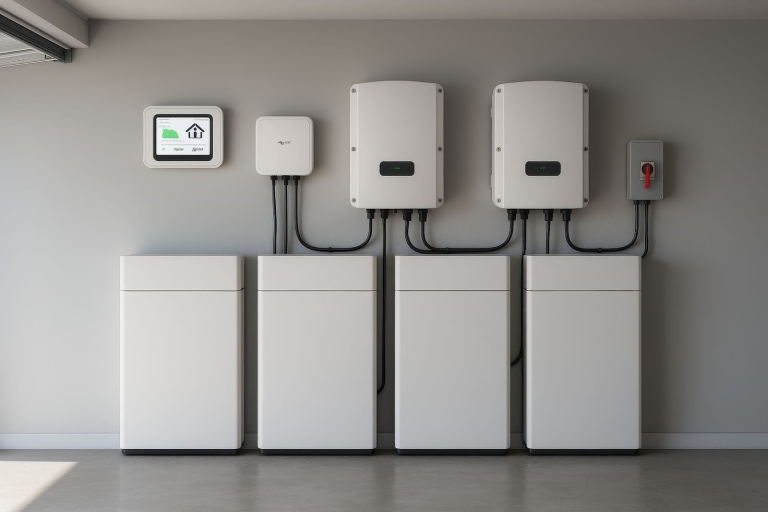
- whether you need additional inverter or gateway equipment
- switchboard upgrades and compliance work
- backup setup for critical loads or whole home backup
- site access and location
A useful way to compare quotes is to check what is included, not just the battery capacity number.
Rebate changes for batteries over 14kWh
The federal battery rebate is being restructured into a tiered system that is scheduled to take effect from May 1, 2026. Under the announced approach, batteries up to 14kWh receive the full rate of STCs, and capacity above 14kWh receives a reduced STC rate.
In practical terms, batteries over 14kWh may attract less rebate per extra kilowatt-hour above that threshold compared with batteries at or under 14kWh. This is one reason many households are considering 14kWh as a key capacity point.
There is also a change planned for how STC value declines, moving from annual reductions to twice yearly reductions.
If you are considering a battery over 14kWh, it is worth getting advice early so you can plan your timing around eligibility and installation dates.
What to look for in a 14kWh battery system
When comparing large batteries for solar power, focus on the fundamentals first.
Battery chemistry
Many modern home batteries use LFP (lithium iron phosphate) because it is valued for safety and cycle life.
Depth of discharge
Depth of discharge tells you how much of the stored energy is usable. A 14kWh battery with 95 percent depth of discharge gives about 13.3kWh usable per cycle.
Round trip efficiency
This reflects energy lost when charging and discharging. Higher efficiency generally means better performance.
Warranty details
Look for a strong 10 year performance warranty, and read the warranty document carefully. Warranty terms can vary significantly between brands, particularly around compensation and performance thresholds over time.
Backup capability
If you want blackout protection, confirm what is included. Some systems include backup features, while others require add-ons or additional switchboard work.
CEC approval and installer accreditation
In Australia, ensure the battery is approved for installation and that your installer is appropriately SAA accredited. This gives you the assurance of a high quality solar battery system
Expandability
If you might add capacity later, ask about modular options and how expansion works in practice, including limits, compatibility, and costs.

Comparing different 14kWh solar battery options
A 14kWh solar battery is a great capacity range to be in. Before you make a call, it’s worth knowing that not all batteries in this class are created equal.
Here are two solid options available through Solar Battery Group that sit right in that 14kWh sweet spot.
Tesla Powerwall 3 — 13.5kWh usable (~14kWh class)
The Powerwall 3 is hard to ignore. It’s one of the most talked-about batteries in the Australian market right now, and for good reason.
On the specs side, it packs 14kWh of total energy with 13.5kWh usable, and it comes with a built-in hybrid solar inverter. So instead of needing separate components, it handles your solar and battery management in one tidy unit. That makes installation simpler and the overall system a lot cleaner, whether you’re starting fresh or retrofitting.
Where it really shines for a lot of homeowners is the smart side of things. The app is genuinely good; you get real visibility into what your system is doing, and it’s responsive. It’s also VPP-capable and frequently listed by name as an eligible battery for major Virtual Power Plant programs, which matters if you want to earn money by sharing stored energy back to the grid.
One thing to be aware of: the Powerwall 3 typically costs around $1,500 more in Australia than in the US. That gap comes down to the required Backup Gateway for compliance, local grid configuration requirements, and the usual shipping and logistics costs. It’s a premium product, and the price reflects that.
| Bottom line: If brand reputation, smart home features, VPP participation, and an all-in-one setup are high on your list, the Powerwall 3 is a compelling option in this class. |
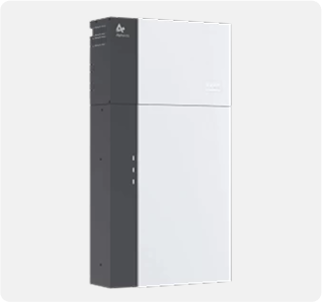
Alpha ESS Smile G3 — 14.5kWh (5 Modules)
The Alpha ESS Smile G3 in a 5-module configuration comes in at 14.5kWh nominal capacity, putting it right at the top of the 14kWh range. With a 96% depth of discharge, you’re looking at roughly 13.9kWh of usable energy per cycle under typical conditions — impressively close to the full rated capacity.
That high depth of discharge is worth paying attention to. It means you’re actually accessing most of what’s stored, without compromising the battery’s long-term lifespan. For households wanting strong overnight coverage, this hits the mark without needing to oversize.
The Smile G3 also moves energy quickly. Its 60A charge and discharge current means it soaks up solar efficiently during peak production and delivers it smoothly when the sun goes down. So no bottlenecks when it matters most!
On the warranty front, it’s well covered: a 5-year product warranty plus a 10-year battery performance warranty backed by Munich Re, guaranteeing at least 80% of original usable capacity for a decade (subject to terms). Having a major reinsurer standing behind that promise adds a real layer of confidence.
| Bottom line: If you’re after high usable capacity, strong warranty backing, and modular flexibility at a competitive price point, the Smile G3 is a genuinely robust choice in the 14kWh range. |
Why size can matter more than brand
Brand matters, but size is what determines whether the battery can actually do the job you want.
The right solar battery storage capacity can:
- cover more of your evening usage
- reduce grid imports during peak pricing
- improve self-consumption when feed-in tariffs are low
- provide longer backup capability
- support future loads like EV charging
A well sized battery from a reliable Tier 1 manufacturer is often a better outcome than a premium brand in the wrong size.
Is a 14kWh solar battery right for you?
A 14kWh solar battery is often a strong choice if you want meaningful evening coverage, lower grid reliance, and the option of backup power, especially for larger families and EV households.
If you are unsure, the best next step is to base the decision on your real usage data rather than averages. Smart meter data and an experienced installer can help you size your battery accurately and avoid expensive mistakes.
Why Solar Battery Group
Solar Battery Group is Australia’s largest solar battery installer, servicing nationwide. We install CEC approved products, and our team can help you compare large capacity solar battery options based on your household usage patterns and goals.
If you want a tailored recommendation for a 14kWh solar battery, you can request a callback or speak with the team on 1300 223 224.









 Solar Battery Group