
Renting? Living in an apartment? Running a business in a shared building?
You might assume solar energy is out of reach. No roof, no control, no chance, right?
Not anymore.
Australia’s energy landscape is shifting. Community batteries, solar-sharing schemes, and government support are helping renters and tenants gain access to clean, affordable energy. Yes, there are a few more hurdles to tackle, but with the right info (and a bit of advocacy), you can still be part of the solar future… Even if you don’t own the property you live or work in.
Why It’s Not Just a Homeowner’s Game Anymore
Clean energy shouldn’t be a luxury reserved only for property owners. Rising power bills, climate action, and the demand for energy independence impact us all.
For years, renters and strata residents were locked out of the benefits of solar. But that’s changing. Thanks to emerging technologies like community batteries, new government rebates, and a growing policy focus on energy equity, tenants are gaining better access to renewable energy.

Renting a Home or Business Space?
If you’re renting a house or standalone commercial property, the first step to solar is landlord approval. It’s a common hurdle, but one that’s becoming easier to overcome.
Landlords are beginning to understand the value of solar energy. It makes their property more appealing, boosts resale value, and can actually increase rental income. With electricity prices on the rise (again), many tenants are willing and even offering to pay a slightly higher rent as long as the energy savings offset it.
Some landlords can also access state-based solar subsidies or take advantage of tax incentives to reduce their upfront costs. It’s worth raising the idea, especially if you come prepared. Tools like SunSPOT can show how much solar could save at your address, making your case even stronger.
Living in an Apartment or Strata Property?
If you live in a strata building, things get a little more technical. But it’s not impossible.
The roof is common property, which means decisions around solar require body corporate approval.
You’ll also need to consider shared roof space, wiring logistics, and the distribution of energy. Not every building will be able to support full-scale rooftop solar for every unit. But there are still workable options.
Some buildings install solar to power common areas like lifts and hallway lights. Others install shared systems that provide energy to select apartments. More recently, community batteries are being considered as an easier and more inclusive solution, especially when physical installation is difficult.
The best place to start? Talk to your strata committee. With enough resident interest, a proposal can quickly turn into a project.

What Are Community Batteries?
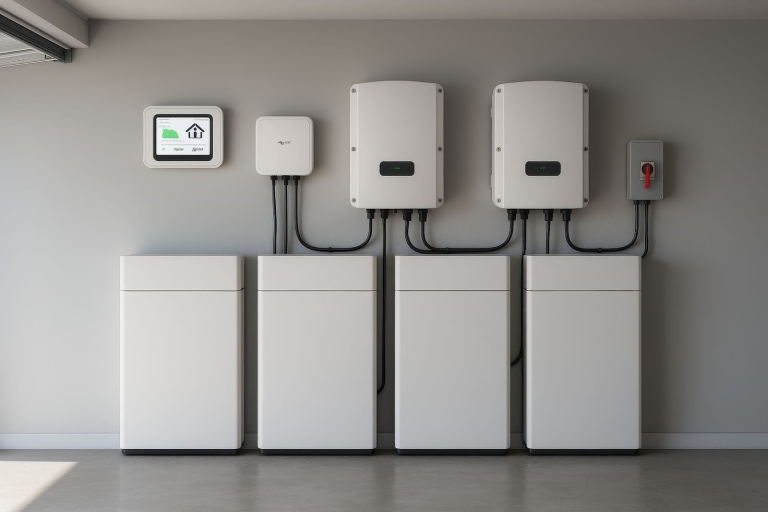
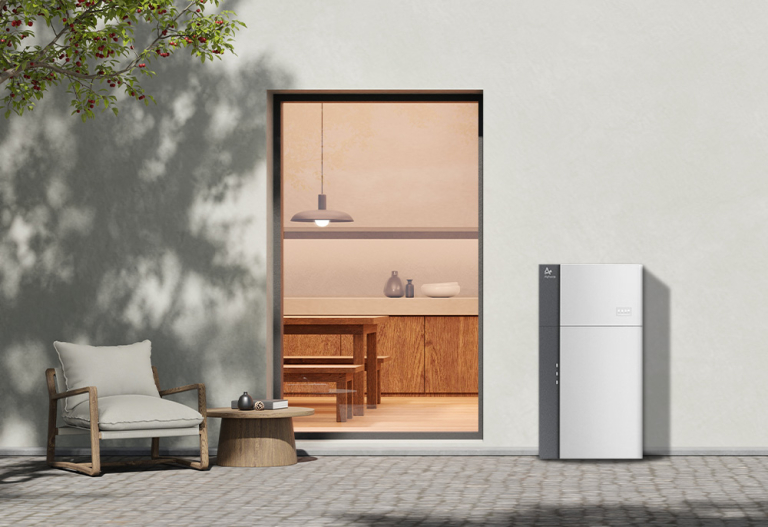
Community batteries are shared energy storage systems. They’re installed at the neighbourhood level and store excess solar energy, usually from local homes or businesses, then release it when demand is high.
Think you’re out because you don’t own a solar system? Think again because you don’t need to own panels to participate.
Renters and apartment dwellers can often subscribe to a portion of the stored energy and use it when electricity prices are at their peak. It’s a cost-effective way to access clean power without the need for any on-site installation.
Community batteries also help:
- Lower grid pressure during peak times
- Reduce blackout risks
- Increase renewable energy use in the community
The Australian Government is investing $200 million to roll out up to 400 community batteries nationwide under its Community Batteries for Household Solar Program. The goal? Expand solar access to people who’ve traditionally been left out, especially renters, apartment residents, and social housing residents.
What About Commercial Tenancies?
Running a business in a shared building or retail hub? Your access to solar may depend on how electricity is supplied across the property. But again, accessing solar isn’t impossible.
Some larger complexes use embedded networks private electrical systems that distribute power throughout a multi-tenanted building. These can make solar a bit more complicated, but not impossible.
Talk to your property manager or network owner. In many cases, it’s possible to:
- Install solar for your tenancy alone
- Join a shared solar system with other businesses
- Participate in a local community battery
If your business operates during daylight hours, even partial solar access can significantly reduce your running costs.
Tenant-Friendly Solar Solutions
Australia is beginning to embrace a more inclusive approach to clean energy.
Programs like the Tesla-backed Virtual Power Plant in South Australia are already bringing solar and battery access to public housing tenants. Participants benefit from shared storage, lower energy bills, and protection during outages, all without owning the hardware.
And proposals like the “Right to Solar” from The Greens are pushing for more federal support for renters, including access to government-backed solar loans and guaranteed tenant installation rights (subject to safety and building approval).
The message is clear: energy equity is no longer just a talking point. It’s becoming a policy.
Curious how South Australia’s Virtual Power Plant stacks up against the new national rebate? Check out our full comparison of the SA Virtual Power Plant vs Cheaper Home Battery Rebate to see which option offers the best fit for your needs.

Clean Energy Belongs to Everyone
Whether you’re renting a unit, managing a shopfront, or living in a townhouse under a strata title, your energy options are expanding. Solar is no longer reserved for property owners; it’s becoming more accessible, flexible, and community-driven.
It may take a few conversations, some paperwork, and support from your landlord or body corporate. But the barriers are lower than they’ve ever been, and the potential savings are worth it.
Curious if there’s a community battery coming to your area?
Want help navigating landlord or strata approvals?
Or just need to know where to start?
Contact Solar Battery Group today. We’ll walk you through your options, answer your questions, and help you take your first step. Or request a call-back here.
Because solar should be for everyone. Let us help you.









 Solar Battery Group